Brookfield Residential COVID-19 Response: How a Major Homebuilder Adapted, Protected Communities, and Redefined Homebuilding

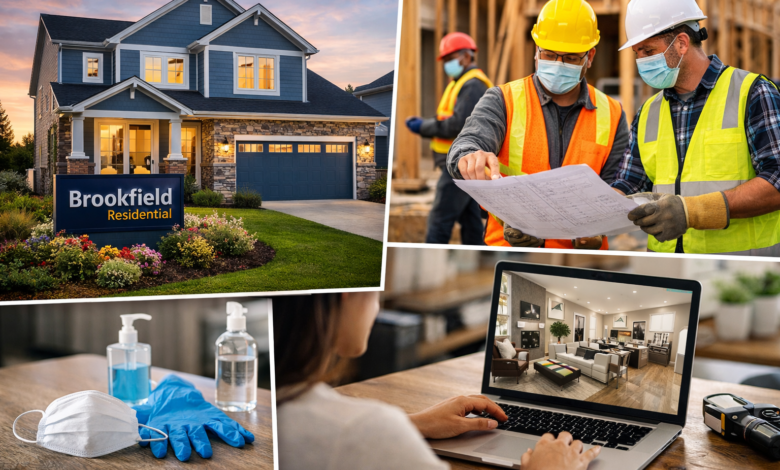
The COVID-19 pandemic reshaped nearly every aspect of modern life. From how people work and socialize to how they choose and experience their homes, the global crisis forced industries to evolve at unprecedented speed. Within the real estate and homebuilding sector, few challenges were as complex as balancing public health, business continuity, and customer trust. The story of Brookfield Residential during COVID-19 offers a revealing look into how a large, established homebuilder navigated uncertainty, protected its people, and emerged with long-term innovations that continue to shape its communities today.
This article explores Brookfield Residential’s COVID-19 response in depth, covering health and safety measures, digital transformation, construction adaptations, employee support, community engagement, and the lasting impact of the pandemic on home design and customer expectations.
Understanding the Challenges COVID-19 Created for Homebuilders
When COVID-19 began spreading globally in early 2020, homebuilders faced immediate and serious disruptions. Construction work depends on close coordination among crews, inspectors, suppliers, and sales teams. At the same time, buyers traditionally rely on in-person tours, model homes, and face-to-face consultations. Suddenly, many of these core activities became high-risk or temporarily impossible.
For Brookfield Residential, the challenge was twofold. First, the company needed to protect the health of employees, trade partners, and customers. Second, it needed to maintain operational stability across multiple regions, each with different public health rules, lockdown measures, and economic pressures. The response required speed, flexibility, and a willingness to rethink long-established processes.
Early Safety Measures and Health Protocols
From the earliest days of the pandemic, Brookfield Residential placed health and safety at the center of its response. Construction sites, sales centers, and offices all required new protocols aligned with public health guidance.
Key measures included mandatory use of personal protective equipment, increased sanitation of tools and shared spaces, and physical distancing requirements on job sites. Crew sizes were adjusted, work schedules were staggered, and non-essential site visits were reduced. These changes helped limit close contact while allowing critical construction work to continue where permitted.
Sales centers and model homes also underwent major changes. In many locations, access was limited or temporarily closed, with strict cleaning procedures implemented between visits. Where in-person interactions were allowed, they were carefully managed to reduce risk.
These early actions sent a clear message to employees and customers alike: safety was not a secondary concern, but a foundational priority.
Supporting Employees Through Uncertainty
The pandemic affected employees not only physically, but emotionally and psychologically. Uncertainty, isolation, and anxiety became common experiences across industries. Brookfield Residential recognized that supporting its workforce required more than just physical safety measures.
Office-based employees transitioned to remote work where possible, supported by digital collaboration tools and flexible schedules. Managers were encouraged to focus on communication, empathy, and adaptability, recognizing that many employees were balancing work with caregiving responsibilities or personal health concerns.
Mental health resources and wellness initiatives played an important role during this period. By acknowledging the human side of the crisis, Brookfield Residential helped maintain morale and productivity during an exceptionally difficult time.
Digital Transformation of the Homebuying Experience
One of the most visible shifts during COVID-19 was the rapid digitalization of the homebuying process. Traditional real estate sales rely heavily on physical experiences, yet pandemic restrictions forced companies to innovate quickly.
Brookfield Residential expanded its use of virtual home tours, 3D walkthroughs, and online consultations. Buyers could explore floor plans, finishes, and community features from the safety of their homes. Digital document signing and online customer portals reduced the need for in-person meetings and paperwork.
This transformation did more than address short-term restrictions. It fundamentally changed how buyers interact with the brand. Convenience, flexibility, and transparency became central to the experience. Even as restrictions eased, many customers continued to prefer digital options, reinforcing the long-term value of these investments.
Construction Site Adaptations and Continuity
Construction operations presented some of the most complex challenges during COVID-19. Supply chain disruptions, labor shortages, and shifting regulations required constant adjustment.
Brookfield Residential implemented detailed site-specific safety plans that addressed everything from entry protocols to sanitation schedules. Where possible, inspections and meetings were conducted remotely. Communication between project managers, trades, and suppliers became more structured to minimize confusion and delays.
Despite global disruptions to materials and logistics, the company focused on building supply chain resilience. Diversifying suppliers, planning ahead for delays, and maintaining close relationships with trade partners helped reduce the impact of shortages and keep projects moving forward.
These adaptations highlighted the importance of operational agility in a highly interconnected industry.
Community Engagement and Corporate Responsibility
Beyond its internal operations, Brookfield Residential took steps to support the broader communities in which it builds. The pandemic placed enormous strain on healthcare systems, frontline workers, and vulnerable populations.
Community-focused initiatives included support for local charities, food banks, and relief organizations. In some regions, the company contributed personal protective equipment or financial resources to support emergency response efforts. These actions reinforced the idea that homebuilders are not just developers of physical spaces, but participants in the social fabric of their communities.
Such efforts helped strengthen trust and goodwill during a time when many people were looking to businesses for leadership and compassion.
Shifting Homebuyer Preferences During the Pandemic
COVID-19 dramatically changed how people think about their homes. As work, school, fitness, and leisure activities moved indoors, the function of the home expanded almost overnight.
Brookfield Residential observed growing demand for flexible spaces that could serve as home offices, study areas, or multi-purpose rooms. Outdoor living spaces, such as patios, balconies, and private yards, gained new importance as people sought fresh air and safe ways to relax.
Wellness also became a key consideration. Buyers showed increased interest in features that support comfort and health, including better ventilation, natural light, and thoughtful layouts that reduce noise and stress.These insights influenced both near-term offerings and long-term design strategies.
Lasting Changes to Home Design and Planning
The design changes accelerated by COVID-19 were not temporary trends. They represented a deeper shift in how people define quality of life at home.
Brookfield Residential incorporated greater flexibility into floor plans, recognizing that buyers value adaptability over rigid room definitions. Kitchens became more central as social and functional hubs. Storage solutions improved to accommodate remote work equipment and household needs.
Community planning also evolved. Open spaces, walking paths, and access to nature gained renewed importance as residents sought balance and connection without leaving their neighborhoods. These changes aligned with broader lifestyle shifts that continue to shape residential development beyond the pandemic.
Lessons Learned From the COVID-19 Experience
The COVID-19 period offered powerful lessons for Brookfield Residential and the wider homebuilding industry. One of the most important was the value of preparedness. Having adaptable systems, strong leadership, and clear communication channels made it possible to respond quickly to changing conditions.
Another key lesson was the importance of technology as an enabler, not just a convenience. Digital tools proved essential for maintaining operations, serving customers, and supporting employees.
Finally, the pandemic reinforced the role of empathy and responsibility in business. Companies that prioritized people, transparency, and community engagement were better positioned to weather uncertainty and build lasting trust.
The Post-Pandemic Outlook for Brookfield Residential
As the world moves further into a post-pandemic phase, the influence of COVID-19 continues to shape strategy and expectations. Brookfield Residential has integrated many of the innovations and safety practices developed during the crisis into its standard operations.
Remote and hybrid work models remain part of the corporate culture. Digital sales tools continue to enhance customer experiences. Design principles inspired by pandemic-era insights remain relevant as buyers seek homes that support evolving lifestyles.
Rather than returning to old norms, the company has embraced a more flexible, resilient approach that reflects lessons learned during an extraordinary period.
Conclusion
The story of Brookfield Residential and COVID-19 is ultimately one of adaptation, responsibility, and long-term transformation. Faced with unprecedented challenges, the company moved quickly to protect health and safety, support employees, serve customers, and engage with communities. In doing so, it accelerated changes that might otherwise have taken years to unfold.
The pandemic reshaped how homes are built, sold, and lived in. Brookfield Residential’s response shows how a major homebuilder can navigate crisis with purpose, emerging stronger and more aligned with the needs of modern homeowners. The lessons learned during COVID-19 continue to influence residential development today, reminding us that the places we call home are deeply connected to resilience, well-being, and the ability to adapt in times of change.
Read also: Ariannam713: Exploring the Digital Identity, Online Presence, and Search Interest