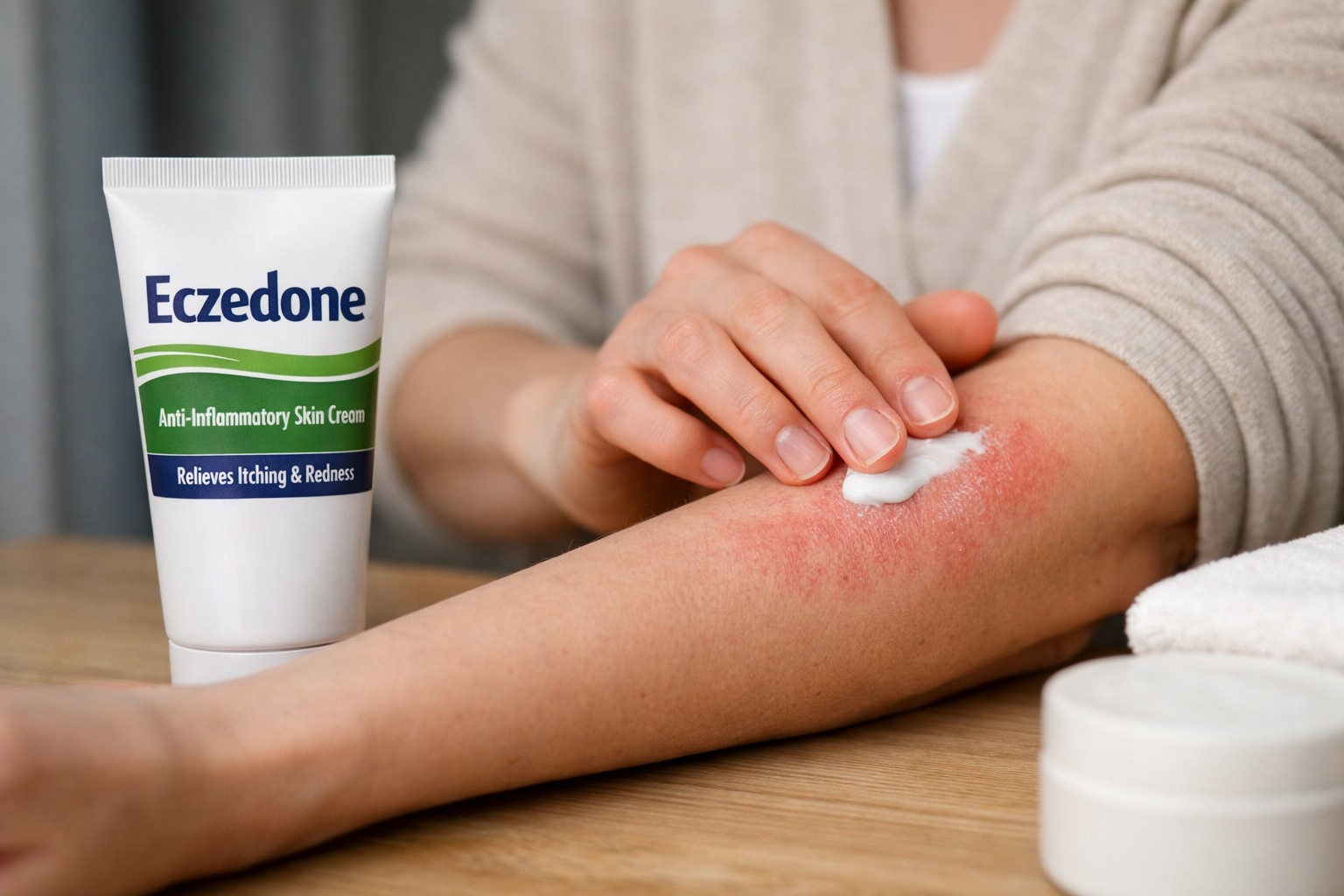
Skin problems rarely exist only on the surface. They affect confidence, comfort, sleep, and even social interactions. Anyone who has dealt with persistent itching, redness, or flare-ups knows how disruptive these conditions can be. Eczedone is often introduced as a solution when ordinary moisturizers and basic skincare routines no longer provide relief. Yet, despite its effectiveness, many people fail to achieve the best results simply because they do not use it correctly.
This article is written to feel genuinely human, not clinical or robotic. It is designed to help you truly understand Eczedone—what it does, how it supports the skin, and how your daily habits influence its success. When used thoughtfully and responsibly, Eczedone can become a powerful part of long-term skin management rather than a short-term fix.
What Eczedone Is and Why Proper Use Matters
Eczedone is a topical treatment formulated to address inflammatory skin reactions. These reactions often show up as redness, swelling, itching, thickened skin, or irritation that does not easily go away. The root cause is usually inflammation—an immune response where the skin overreacts to internal or external triggers.
What makes Eczedone effective is its ability to calm this overactive response. It reduces inflammation at a cellular level, allowing the skin to rest, repair, and rebuild its protective barrier. However, this same strength means it must be used correctly. Improper use can reduce benefits or lead to unwanted side effects.
Many people assume that applying more product or using it more often will speed up healing. In reality, skin responds best to balance and consistency. Eczedone works with the skin, not against it, and understanding this principle is the foundation of achieving maximum results.
Conditions Where Eczedone Is Commonly Used
Eczedone is typically recommended for inflammatory skin conditions that involve itching and redness rather than simple dryness. These conditions may come and go, often triggered by weather changes, allergens, stress, or contact with irritating substances.
In flare-up phases, the skin barrier becomes weak. This allows moisture to escape and irritants to enter, creating a cycle of inflammation and discomfort. Eczedone helps interrupt this cycle by calming the skin and reducing the urge to scratch, which is one of the biggest contributors to worsening symptoms.
It is important to recognize that Eczedone is not meant for cosmetic use or everyday hydration. It is a treatment tool, best reserved for periods when inflammation is active. Using it only when necessary preserves its effectiveness and minimizes potential risks.
Preparing Your Skin Before Applying Eczedone
The way you prepare your skin can significantly influence how well Eczedone works. Applying medication on dirty, irritated, or overly dry skin can interfere with absorption and healing. Before each application, gently cleanse the affected area using lukewarm water. Avoid hot water, as heat can worsen inflammation and strip the skin of natural oils.
Choose a mild, fragrance-free cleanser. Harsh soaps may feel clean but often aggravate sensitive skin. After cleansing, pat the skin dry using a soft towel. Rubbing creates friction, which can inflame already compromised skin.
Allow the skin to rest for a moment before application. This short pause helps normalize the surface temperature and moisture level, creating an ideal environment for Eczedone to absorb evenly.
Step-by-Step Guide to Applying Eczedone Correctly
Correct application is about precision, not quantity. Start by using a small amount of Eczedone—just enough to form a thin, even layer over the affected area. A commonly used reference is the fingertip unit, which helps prevent overuse.
Using clean fingers, gently spread the medication across the skin. There is no need to press hard or massage deeply. Eczedone is designed to work at the surface and upper layers of the skin, not through forceful application.
Once applied, leave the area uncovered for several minutes if possible. This allows the medication to absorb fully without being rubbed off by clothing. Avoid covering the area with tight bandages unless specifically instructed, as occlusion can increase absorption beyond what is intended.
How Often and How Long You Should Use Eczedone
One of the most common mistakes is inconsistent use. Eczedone is typically prescribed once or twice daily, depending on the severity of symptoms and the area being treated. Following a consistent schedule helps maintain steady anti-inflammatory effects.
Using Eczedone more frequently than recommended does not improve results. In fact, excessive use may irritate the skin or lead to long-term complications. Consistency is far more effective than intensity.
Duration of use also matters. Eczedone is often intended for short-term management during flare-ups. Once symptoms improve, usage is usually reduced gradually rather than stopped abruptly. This gradual approach helps prevent rebound flare-ups and supports long-term skin stability.
Sensitive Areas That Require Extra Care
Certain areas of the body absorb topical treatments more easily than others. The face, neck, underarms, groin, and skin folds are particularly sensitive. When Eczedone is used in these areas, smaller amounts and shorter treatment periods are often recommended.
Extra caution is needed around the eyes. Even accidental contact can cause irritation. Always wash your hands thoroughly after application and avoid touching your face unless the treated area requires it.
Children and older adults may also need special consideration. Their skin tends to be thinner and more delicate, which increases absorption. In these cases, professional guidance is essential to ensure safety and effectiveness.
Combining Eczedone with Moisturizers and Daily Skincare
Eczedone works best when paired with a strong skincare foundation. Moisturizers play a crucial role in maintaining the skin barrier, which helps prevent future flare-ups. While Eczedone addresses inflammation, moisturizers focus on hydration and protection.
The recommended approach is to apply Eczedone first and allow it to absorb fully. After about 20 to 30 minutes, apply a fragrance-free moisturizer to lock in hydration. This sequence ensures that the medication works effectively without being diluted or spread beyond the affected area.
Avoid products with alcohol, fragrance, or harsh active ingredients during treatment. Gentle skincare supports healing and reduces the likelihood of irritation.
Possible Side Effects and How to Reduce Risk
Like all medicated treatments, Eczedone can cause side effects if misused. Mild sensations such as tingling or warmth may occur when first applied and usually subside quickly. Dryness or slight redness can also happen as the skin adjusts.
More serious side effects are typically linked to prolonged or excessive use. These may include thinning of the skin, discoloration, or increased sensitivity. To reduce risk, always use the lowest effective amount and limit treatment duration.
If symptoms worsen or new issues appear, discontinue use and seek professional advice. Paying attention to how your skin responds is key to safe and effective treatment.
Lifestyle Habits That Enhance Eczedone Results
Medication alone cannot fully manage inflammatory skin conditions. Daily habits play a powerful supporting role. Avoid known triggers such as harsh detergents, synthetic fabrics, and extreme temperatures. Choose soft, breathable clothing that minimizes friction.
Stress management is another important factor. Emotional stress can intensify inflammation, leading to flare-ups even when treatment is consistent. Adequate sleep, regular movement, and relaxation techniques all contribute to healthier skin.
Nutrition and hydration also matter. Drinking enough water and eating a balanced diet rich in essential nutrients supports the skin’s natural repair processes. When internal health improves, topical treatments like Eczedone often work more effectively.
Knowing When to Stop or Reassess Treatment
Eczedone is not meant for indefinite use unless directed otherwise. Once inflammation is under control and the skin begins to heal, it is usually time to taper or stop treatment. Continuing unnecessarily increases the risk of side effects without added benefit.
If symptoms persist despite proper use, or if flare-ups become more frequent, a reassessment may be necessary. Skin conditions can change over time, and treatment plans may need adjustment.
Seeking professional guidance ensures that Eczedone remains a helpful tool rather than a source of frustration or concern.
Conclusion
Using Eczedone properly is not about quick fixes or aggressive treatment. It is about understanding your skin, respecting its limits, and working with it patiently. When applied correctly, consistently, and at the right time, Eczedone can significantly reduce inflammation, ease discomfort, and support lasting skin recovery.
Equally important is the role of daily habits—gentle skincare, stress management, and mindful lifestyle choices all enhance the effectiveness of treatment. Eczedone works best as part of a balanced approach rather than as a standalone solution.
By using Eczedone thoughtfully and responsibly, you empower yourself to manage skin challenges with confidence and care. Over time, this approach not only improves symptoms but also restores comfort, resilience, and quality of life.
Read also: GreatBasinExp57: Exploring Meaning, Impact, and Long-Term Significance