The search phrase “is ingredients in Qoghundos good” has been appearing more frequently, driven by curiosity, confusion, and a desire to make healthier choices. People want to know whether Qoghundos is something worth consuming, whether as a traditional food concept or as a modern wellness formulation. At its core, this question reflects a broader concern that defines modern nutrition decisions today: what exactly are we putting into our bodies, and does it genuinely benefit us
This article provides a complete, clear, and balanced analysis of Qoghundos ingredients based on how the term is most commonly described online. It examines ingredient quality, nutritional value, safety considerations, and practical use, while avoiding hype or unsupported claims. By the end, you will have a grounded answer to whether the ingredients in Qoghundos are good and under what conditions they may or may not be beneficial
Understanding What Qoghundos Refers To
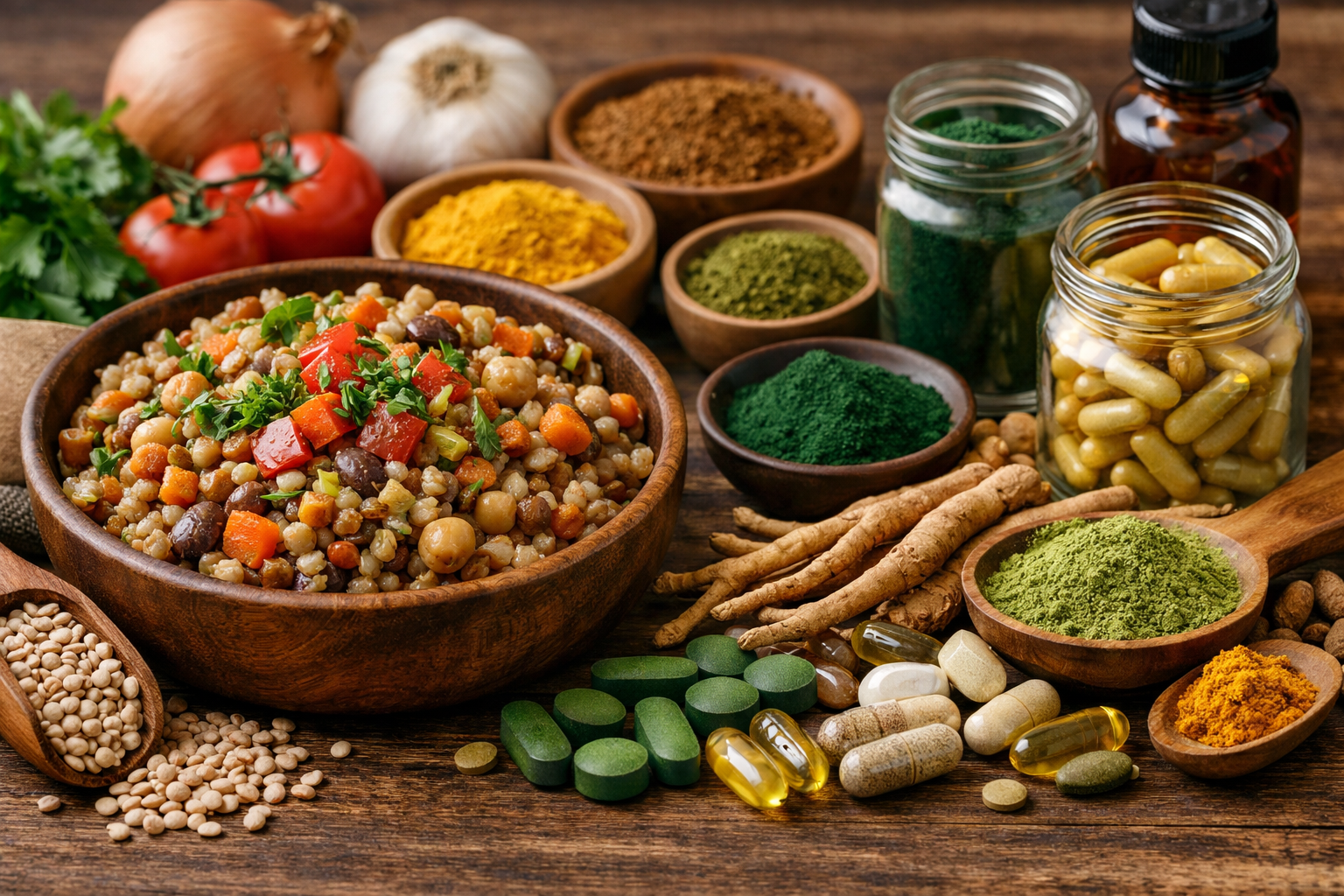
One of the biggest challenges when evaluating Qoghundos is that it does not have a single universally accepted definition. Instead, the term appears in two dominant contexts. In one, Qoghundos is described as a traditional-style food preparation made with grains, legumes, vegetables, and spices. In the other, it is referenced as a supplement-style blend that combines plant extracts, vitamins, and minerals
This lack of consistency matters because ingredient quality and health impact depend heavily on form, sourcing, and preparation. A whole-food dish and a concentrated supplement operate very differently in the body. Therefore, any fair evaluation must account for both interpretations rather than assuming a single fixed formula
Common Ingredients Found in Qoghundos
Although definitions vary, there is strong overlap in the types of ingredients most often associated with Qoghundos. These ingredients generally fall into three categories: whole food components, functional plant compounds, and supportive micronutrients
Whole grains such as barley, wheat, or rice are frequently mentioned. These grains serve as an energy base and are valued for their complex carbohydrates and fiber content. Legumes such as lentils or chickpeas are also common, contributing plant-based protein and minerals. Vegetables provide vitamins, antioxidants, and natural flavor depth
In supplement-style descriptions, ingredients may include herbal extracts like turmeric, ginseng, green tea compounds, or adaptogenic plants. Vitamins such as B-complex and minerals like magnesium or zinc are sometimes included to support metabolic and immune functions
Nutritional Value of Qoghundos Ingredients
From a nutritional perspective, the ingredients commonly linked to Qoghundos are generally considered beneficial when they come from whole or minimally processed sources. Whole grains supply steady energy and support digestive health due to their fiber content. They also contribute B vitamins that play a key role in energy metabolism
Legumes enhance the nutritional profile by adding protein, iron, potassium, and slow-digesting carbohydrates. Their role in stabilizing blood sugar and promoting fullness makes them a staple in many healthy dietary patterns around the world
Vegetables and natural spices increase micronutrient density and introduce antioxidants that help protect cells from oxidative stress. When prepared traditionally, this combination creates a nutritionally balanced profile that aligns well with long-term health goals
Health Benefits Associated With Qoghundos Ingredients
When evaluated individually, many Qoghundos-associated ingredients have well-documented health benefits. Fiber-rich grains and legumes support gut health, cardiovascular function, and weight management. Diets rich in these foods are consistently associated with lower risk of chronic disease
Plant-based antioxidants from vegetables and spices help counter inflammation and support immune resilience. Herbal ingredients commonly mentioned in supplement interpretations are traditionally used to support energy, focus, and stress balance, though results depend heavily on dosage and individual response
The key factor is synergy. When ingredients are combined in whole-food form, they work together naturally, slowing digestion, enhancing nutrient absorption, and reducing the risk of overstimulation that sometimes occurs with concentrated extracts
Safety and Quality Considerations
While many ingredients linked to Qoghundos are considered safe and beneficial, safety ultimately depends on preparation, quality, and transparency. Whole-food versions prepared with basic ingredients present minimal risk for most people unless allergies or intolerances are present
Supplement-style interpretations require greater caution. Herbal extracts and concentrated nutrients can interact with medications or cause side effects when used improperly. Without standardized formulations or clear labeling, it becomes difficult to evaluate purity, potency, and long-term safety
Consumers should be particularly careful of exaggerated claims promising rapid weight loss, instant energy, or dramatic cognitive enhancement. These claims often rely more on marketing than science
Who May Benefit Most From Qoghundos Ingredients
People seeking balanced nutrition from whole foods are most likely to benefit when Qoghundos is interpreted as a traditional, food-based preparation. Those following plant-forward diets, looking for sustained energy, or aiming to improve digestive health may find such ingredient combinations especially supportive
Individuals interested in supplements should approach Qoghundos cautiously, focusing on ingredient transparency and realistic expectations. Benefits may be subtle rather than dramatic, and effectiveness can vary widely between individuals
How to Evaluate Qoghundos Ingredients for Yourself
To determine whether the ingredients in Qoghundos are good for you personally, context matters. Start by identifying whether you are dealing with a food-based or supplement-based version. Read ingredient lists carefully and look for recognizable, minimally processed components
Pay attention to how your body responds over time rather than expecting immediate results. Nutritional improvements often show up gradually in energy levels, digestion, and overall well-being rather than as instant changes
Final Verdict on Ingredient Quality
When stripped of hype and ambiguity, the answer to the question is ingredients in Qoghundos good becomes clearer. The ingredients most commonly associated with Qoghundos are generally wholesome, nutritionally valuable, and aligned with established principles of healthy eating when consumed in whole-food form
Concerns arise mainly when the term is used loosely to describe supplements without clear formulation standards or evidence-backed claims. In these cases, ingredient quality can vary widely and requires careful scrutiny
Conclusion
The ingredients in Qoghundos can be good, but the value depends entirely on how the term is used and how the ingredients are prepared. As a traditional-style combination of grains, legumes, vegetables, and natural spices, Qoghundos represents a nutritionally sound approach that supports sustained energy, digestive health, and overall balance
As a supplement concept, its value becomes less certain and more dependent on transparency, dosage, and individual suitability. The smartest approach is to prioritize whole, recognizable ingredients and remain cautious of vague promises
Ultimately, Qoghundos serves as a reminder that ingredient quality matters more than trendy names. When nutrition is grounded in real food, simplicity, and informed choice, the benefits tend to follow naturally.
Read also: To Visit Vuzillfotsps: The Complete Search-Based Travel Article